
Table of Contents
- What Makes a Beauty Product Worth Buying in 2026
- Viral Skincare Products 2026: What's Actually Worth the Hype
- How to Build a Skincare Routine That Works for You
- Best Beauty Products for Sensitive Skin: Gentle Picks That Deliver
- Makeup and Skincare Hybrids: Multi-Functional Products on the Rise
- Sustainability and Ethical Sourcing in Beauty
- Budget-Friendly vs. Luxury: Where Your Money Goes
- Frequently Asked Questions
Last Updated: September 16, 2026
What Makes a Beauty Product Worth Buying in 2026
Search interest in the best trending beauty products 2026 reviews keeps climbing, but the products behind those searches are not all worth your money. This guide from Amazing Deals breaks down which viral formulas hold up to scrutiny and which ones fall apart once the packaging is in the trash. Most of what goes viral earns its moment. Most of what earns its moment still isn't right for your skin.
That gap between "popular" and "effective" is the whole story of beauty right now. A product can trend for its texture, its scent, or a single influencer's enthusiasm, and still do nothing for your barrier, your pigmentation, or your fine lines. The products worth buying in 2026 share three traits: a short, purposeful ingredient list, a delivery system that keeps those ingredients stable, and a price that matches what's actually inside the bottle.
Ingredient-Focused Formulations vs. Hype
The shift toward ingredient-first shopping is the biggest change in beauty this year. Shoppers increasingly read the back of the box before the front, and that habit separates formulas built around active ingredients from formulas built around a marketing story.
A peptide complex, for example, signals a product built to support collagen synthesis and barrier repair. A "glow" claim with no named actives underneath it signals packaging. Neither is automatically bad, but only one of them is doing measurable work on your skin.
What most guides miss is that concentration matters as much as the ingredient name. A formula can list hyaluronic acid and still sit too low on the ingredient panel to make a difference. Look for actives near the top of the list, and look for a short list overall, since fewer ingredients means fewer chances for irritation.
Editor-Tested Reviews and Consumer Sentiment
Editor-tested reviews and aggregated consumer sentiment are the two most reliable signals you have before buying. Neither is perfect on its own. Editors test a product for weeks and can speak to texture and wear; consumer sentiment captures how thousands of people with different skin reacted over months.
The strongest buying decision comes from reading both. When a dermatologist-tested formula earns consistent praise from people with your skin type and also survives a real-world wear test, that overlap is your green light.
Viral Skincare Products 2026: What's Actually Worth the Hype
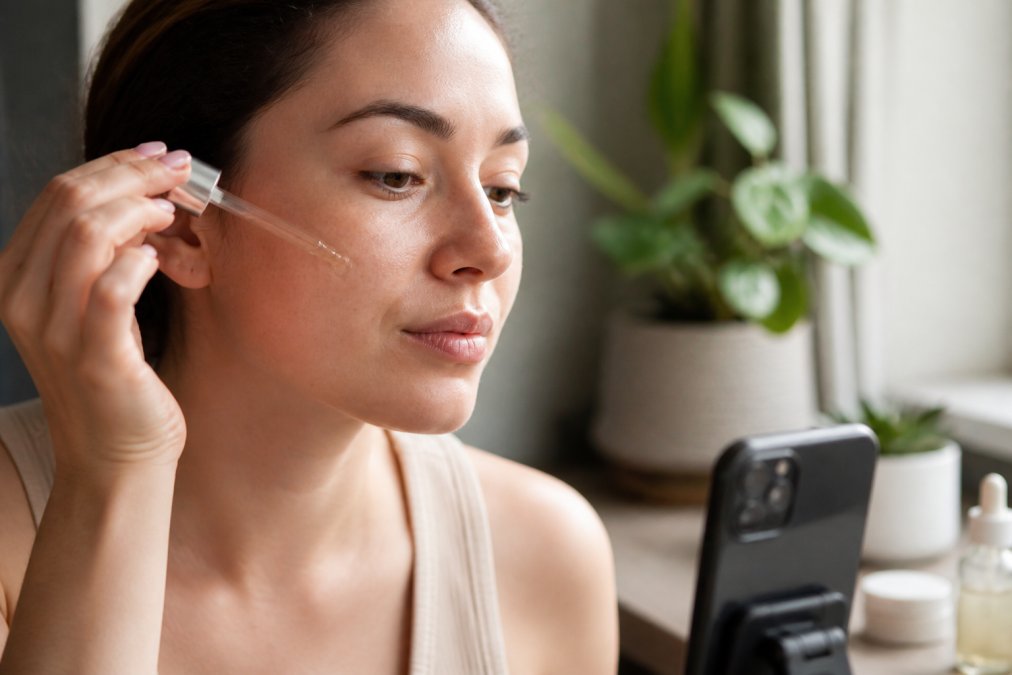
Viral skincare products 2026 shoppers keep seeing fall into two camps: formulas with real delivery technology behind them, and formulas coasting on a trend. The first camp is worth your money. The second camp is worth your attention only long enough to skip it. What separates them is rarely the hero ingredient on the front of the bottle, it is the concentration, the pH, and the packaging that keeps the active stable.
Peptide Complexes and Barrier Repair
Peptide complexes have moved from niche to mainstream, and for good reason. Peptides are short chains of amino acids that signal your skin to support its own collagen synthesis and barrier repair, which is why they show up in so many new serums. The categories worth knowing are signal peptides (which tell skin to build more collagen), carrier peptides (which ferry trace minerals like copper into the skin), and neurotransmitter-inhibiting peptides (which soften the appearance of expression lines).
The catch is that peptides are fragile. A formula that lists them but stores them in a jar exposed to light and air will lose potency fast. Look for opaque or airless packaging if you're paying for peptides, and check where the peptide appears on the ingredient panel, a peptide listed after the preservative is doing decorative work, not barrier work. Most practitioners find that consistent use over eight to twelve weeks is where peptide serums earn their reputation, not in the first week.
Micro-Encapsulation and Hydrating Serums
Micro-encapsulation is the delivery technology behind the best hydrating serums this year. It wraps active ingredients in tiny protective spheres that release over time, which keeps unstable actives like vitamin C and retinol working longer and reduces the irritation that comes from a full dose hitting your skin at once. The same logic applies to liposomal delivery, where the active is carried inside a lipid shell that mimics the skin's own barrier and improves absorption.
If a serum claims micro-encapsulation, the ingredient panel should reflect it with stabilized forms of the active, sodium ascorbyl phosphate or ascorbyl glucoside for vitamin C, or a retinoid ester rather than straight retinol. If it doesn't, treat the claim as decoration. A related signal is pH: vitamin C serums are most effective in a low-pH range, while retinoids and peptides prefer a skin-friendly pH closer to neutral. A brand that publishes its pH range is usually a brand that tested its formula.
Niacinamide, Azelaic Acid, and the Barrier-First Wave
Beyond peptides, the actives driving 2026's viral shelf are the barrier-friendly ones. Niacinamide at 4 to 5 percent supports the skin's ceramide production and helps even tone without the sting of stronger acids. Azelaic acid, available over the counter at 10 percent and by prescription at 15 to 20 percent, is one of the few actives with solid evidence for both acne and rosacea-related redness. Ceramides, the skin's own barrier lipids, appear in more moisturizers than ever, and they work best paired with cholesterol and fatty acids in a ratio that mimics the skin's natural composition.
What ties these together is a shift away from the "strip and rebuild" philosophy toward supporting the barrier you already have. That is why so many 2026 launches pair an active with a soothing counterpart rather than selling the active alone.
How to Read a Viral Claim Before You Buy
When a product goes viral, run it through three quick checks. First, does the ingredient panel name the active and place it near the top? Second, does the packaging protect that active from light and air? Third, does the brand publish any stability or pH data? A formula that passes all three is usually worth the hype. A formula that passes none of them is a trend with a label.
How to Build a Skincare Routine That Works for You
Learning how to build a skincare routine comes down to four steps and a lot of patience. The routine that works is the one you'll actually follow, not the twelve-step version from a video.
- Cleanse with a gentle, non-comedogenic formula morning and night. Harsh cleansers strip the barrier you're trying to protect.
- Treat with one active at a time. Introduce a peptide serum, a retinoid, or an exfoliating acid, then wait two weeks before adding another.
- Moisturize to seal in hydration and support barrier repair. This step matters more than any single active.
- Protect with broad-spectrum sun protection factor every morning, indoors or out.
Give any new routine four to six weeks before judging it. Skin turnover is slow, and most people quit a product right before it would have started working.
Best Beauty Products for Sensitive Skin: Gentle Picks That Deliver
The best beauty products for sensitive skin prioritize barrier repair over exfoliation.
Rosacea-Prone Skin
Eczema and Very Dry, Reactive Skin
Reactive Skin on Deeper Melanin Levels
What to Look For on the Label
A Note on "Clean" Labels
Makeup and Skincare Hybrids: Multi-Functional Products on the Rise
Hybrid products are the fastest-growing category in beauty right now, and they solve a real problem: too many steps, too little time.
Sustainability and Ethical Sourcing in Beauty
Budget-Friendly vs. Luxury: Where Your Money Goes
| Category | What You Pay For | Best For |
|---|---|---|
| Budget | Core actives, basic packaging | Daily basics, high-use products |
| Mid-range | Better texture, stability testing | Serums and moisturizers you use daily |
| Luxury | Elegance, scent, clinical-grade testing | Treats, gifts, sensitive-skin formulas |
Frequently Asked Questions
What are the hottest beauty trends for 2026?
The biggest trends for 2026 include ingredient-focused formulations like peptide complexes and antioxidant-rich botanicals, makeup and skincare hybrids such as cushion foundations with sun protection factor, and sustainable packaging. Viral social media trends continue to drive demand for multi-functional products that offer long-wear and glow-inducing effects. Consumers are also prioritizing dermatologist-tested and non-comedogenic options.
How do I choose the right beauty products for my skin type?
Start by identifying your skin type: oily, dry, combination, or sensitive. For sensitive skin, look for fragrance-free, non-comedogenic formulas with soothing botanicals. Oily skin benefits from lightweight, oil-free moisturizers and salicylic acid. Dry skin needs hydrating serums with hyaluronic acid and ceramides. Always patch-test new products and introduce one active ingredient at a time to avoid irritation.
Are viral beauty products worth the investment?
Some viral products deliver on their promises, especially those with clinical-grade active ingredients and dermatologist-tested claims. However, many rely on marketing hype. Check for ingredient lists, consumer sentiment, and independent reviews. Products with micro-encapsulation or biotechnology often justify their price. For budget-conscious shoppers, compare formulations rather than brand names; often, affordable options contain similar active ingredients.
How can I build a skincare routine for sensitive skin?
Keep it simple: a gentle cleanser, a barrier-repair moisturizer, and a mineral sunscreen with sun protection factor 30 or higher. Avoid harsh exfoliants and alcohol-based toners. Introduce calming ingredients like colloidal oatmeal or green tea extracts. For active ingredients, try low-strength niacinamide or hyaluronic acid. Always patch-test and consult a dermatologist if reactions persist.
The challenge with trending beauty is separating a genuine formula from a viral moment, and that takes more than a quick scroll. Amazing Deals makes the comparison easier with a curated selection of health and beauty products, competitive pricing across categories, and a simplified shopping experience built for busy households. Search Amazing Deals for your next skincare or makeup pick and let the ingredient list, not the hype, make the call.